
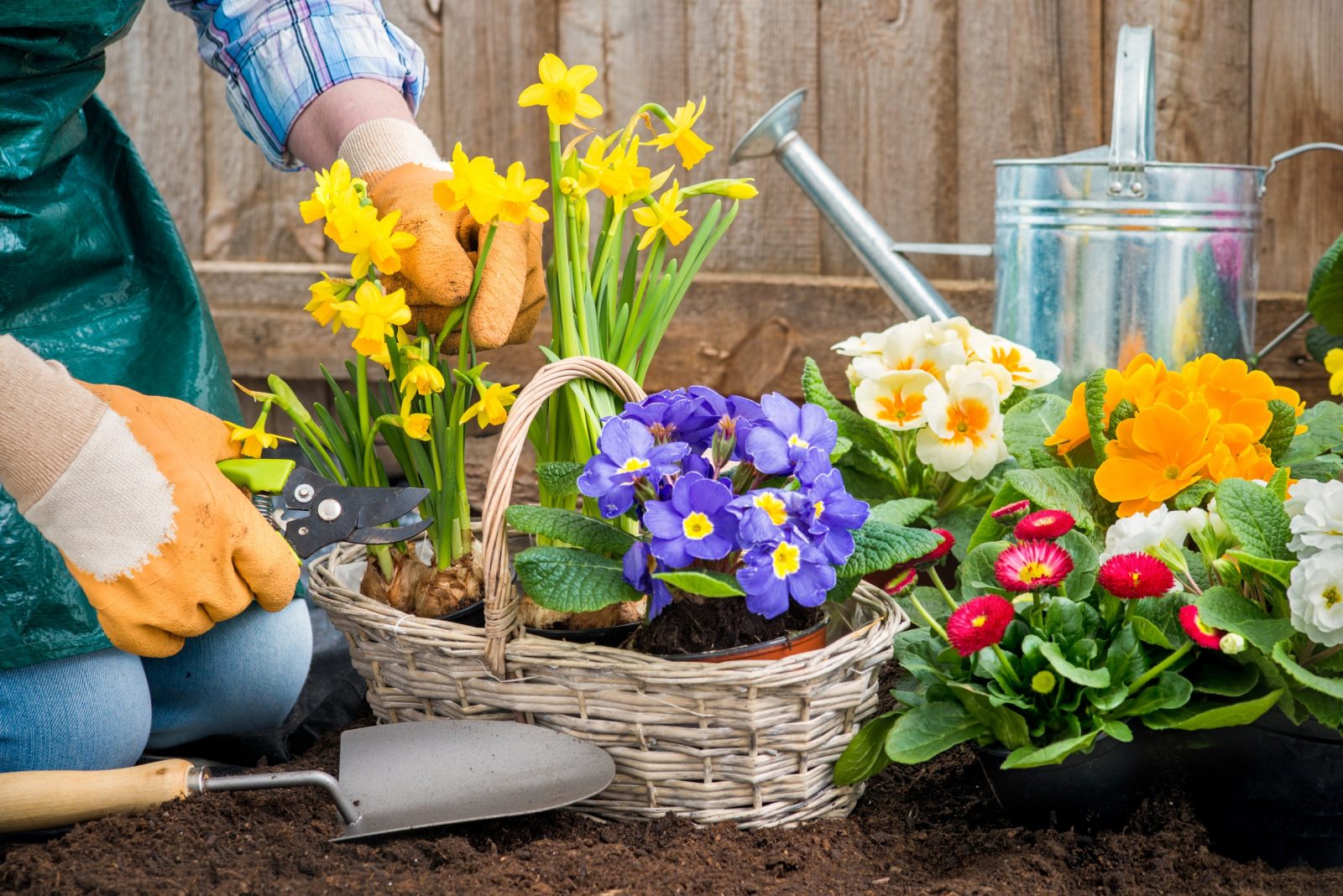
The frost recedes, the days stretch longer, and a familiar, restless energy takes hold. It’s the unmistakable feeling of spring. For the avid homeowner, gardener, and DIY enthusiast, this seasonal shift is less about passive enjoyment and more about a call to action. It’s project season. While the urge might be to jump into the most ambitious task on your list, strategic planning and early action are the true keys to a successful and enjoyable spring. The projects you start now, before the summer heat sets in and weekends become crowded with social events, will set the tone for your entire season. Procrastination is the enemy of a beautiful and functional outdoor space. So, if you’re asking yourself, “Have I started my spring projects yet?” the answer should be a resounding “Yes!”—and here are the five critical tasks you should prioritize right now.
Spring Cleaning and Gardening Top the List
Before you can build, plant, or decorate, you must reset. The winter leaves behind a layer of grit, debris, and dormancy that needs to be addressed. This foundational work is non-negotiable and paves the way for everything else.
1. The Strategic Deep Clean (Inside-Out):
Spring cleaning is a classic for a reason, but its value extends far beyond a tidy home. Starting indoors with a thorough cleanse has a psychological effect; it creates a sense of order and accomplishment that fuels your momentum for outdoor projects.
-
Focus on the “Air” of the Home: Your windows have been sealed shut for months. Start by deep cleaning them, inside and out. This not only lets in the maximum amount of glorious spring sunshine but also provides a crystal-clear view of the yard you’re about to transform. Don’t forget to wash the screens—you’ll be opening those windows soon to let in the fresh air.
-
Declutter and Donate: Winter often leads to accumulation. Go through closets, basements, and garages. Create piles for keep, donate, and discard. A decluttered garage is essential, as it will soon become mission control for your outdoor projects. You need clear space to access your tools, potting soil, and equipment.
-
The Great Outdoor Reset: Now, move outside. This is your first hands-in-the-dirt task. Clear away all the winter debris: fallen branches, matted leaves, and any general detritus that has collected in your garden beds, corners of your patio, and across your lawn. This is crucial for two reasons: it prevents mold and disease from taking hold on decaying plant matter, and it allows you to see the true state of your lawn and perennials. Power wash your deck, patio, siding, and walkways. Removing the green film of algae and months of dirt instantly revitalizes your home’s curb appeal and provides a clean slate for outdoor living.
2. The Prudent Gardener’s Jumpstart:
For gardeners, early spring is the most critical and hopeful time of the year. The work you do now directly determines the bounty and beauty of your summer and fall.
-
Soil Preparation is Everything: You cannot have healthy plants without healthy soil. Once your beds are cleared, turn your attention to the earth. Gently till the top few inches of soil to aerate it, being careful not to disturb any emerging perennial roots. This is the perfect time to amend your soil. Add a generous layer of compost or well-rotted manure. This replenishes vital nutrients that have been depleted over the previous growing season and improves soil structure for better drainage and root growth.
-
Early Planting for the Patient and Wise: While it’s too early for tender annuals like tomatoes and petunias, the cool, moist conditions of early spring are perfect for a host of other plants.
-
Cool-Season Vegetables: Get these in the ground as soon as the soil is workable. Peas, spinach, kale, lettuce, radishes, and carrots thrive in cooler temperatures and will give you an early harvest before the heat causes them to bolt (go to seed).
-
Hardy Annuals: Plants like pansies and violas can tolerate a light frost and will provide a much-needed splash of color while you wait for the rest of your garden to wake up.
-
Bare-Root Plants and Shrubs: Early spring is the ideal time to plant bare-root trees, roses, and shrubs. They are dormant and will have a full season to establish their root systems before the stress of summer or the freeze of winter.
-
-
Divide and Conquer: As your perennials begin to peek through the soil, identify any that are overgrown. Hostas, daylilies, and ornamental grasses are classic examples. Dig them up, carefully split them into smaller sections with a sharp spade, and replant the healthiest pieces. This rejuvenates the plant, prevents it from choking itself out, and gives you free plants to fill other areas of your garden or share with neighbors.
Landscaping, Outdoor Grilling, and Power Tools Make the Cut
With the cleaning and foundational gardening complete, you can move on to the projects that truly transform your yard into an extension of your home. This is where functionality meets aesthetics.
3. Landscape Rehabilitation and Installation:
Winter is hard on landscapes. Early spring is the time to repair the damage and install new features.
-
Lawn Care TLC: Your lawn is likely looking patchy and sad. Rake it thoroughly to remove dead grass (thatch) and allow new blades to emerge. Overseed any bare patches; the cool, wet weather provides perfect germination conditions. Apply a spring-specific, slow-release fertilizer to give your grass the nutrients it needs for a strong start. If you have issues with crabgrass, a pre-emergent herbicide applied now is far more effective than trying to kill it later.
-
Edge and Mulch: Nothing defines a garden bed and gives it a “finished” look like crisp edges and a fresh layer of mulch. Use an edging tool to cut a clean line between your lawn and beds. Then, apply a 2-3 inch layer of mulch (shredded bark, wood chips, or pine straw). Mulch is a workhorse: it suppresses weeds, retains soil moisture, and regulates soil temperature. It’s the single biggest visual upgrade you can make to your garden in an afternoon.
-
Hardscape Repair and Installation: Check your stone pathways for sinking or uneven pavers. Reset them with a bed of sand. Now is also the time to build that new raised garden bed, install a new border, or put in a simple gravel path before the plants around it have fully leafed out and gotten in the way.
4. The Outdoor Kitchen and Dining Readiness:
Your grill and patio furniture have been in hibernation. Bringing them back to life is a weekend project that pays immediate dividends in delicious meals and relaxed evenings.
-
The Deep Grill Clean: Do not just fire up the grill and throw on some burgers. A dirty grill affects flavor and is a fire hazard. For gas grills, turn the burners on high for 10-15 minutes to burn off residue. After it cools, scrub the grates aggressively with a brass brush. Remove the grates and flavorizer bars to access the bottom of the grill; vacuum out all the accumulated ash and grease. This is also the time to check your propane tank levels and hose connections for leaks (a simple soapy water test will reveal bubbles at a leak point). For charcoal grills, empty all ashes and scrub the bowl and grates.
-
Furniture Revival: Wash your outdoor furniture thoroughly with a mild soap and water solution. For plastic resin furniture, a power washer on a low setting works wonders. For wood furniture, check if it needs re-staining or sealing. For metal furniture, look for rust spots, sand them away, and touch up with spray paint. Don’t forget to wash the cushions—check the tags for the best cleaning method and let them air dry completely in the sun before putting them back.
5. The Power Tool Tune-Up and Safety Check:
Your most valuable project allies are your power tools. Neglecting them is a surefire way to derail a project halfway through.
-
Sharpening and Maintenance: A dull lawnmower blade doesn’t cut grass; it tears it, leaving it brown and susceptible to disease. Remove the blade and sharpen it or take it to a professional for sharpening. This is also the perfect time to change the oil, replace the air filter, and check the spark plug. For your other tools—string trimmers, hedge trimmers, chainsaws—follow the manufacturer’s guidelines for preseason maintenance. Clean them, check for damage, and ensure all blades are sharp and guards are in place.
-
Safety First: Inspect all power cords for fraying or damage. Check that safety features on all tools, like the dead-man switch on your trimmer, are functioning correctly. Gather your personal protective equipment (PPE)—safety glasses, hearing protection, gloves, and sturdy boots—and keep them in a dedicated, easily accessible place. Starting the season with a focus on safety ensures you get to finish all your projects injury-free.
Conclusion: Start Now, Enjoy All Season
The five tasks outlined here—deep cleaning, strategic gardening, landscaping, outdoor living prep, and tool maintenance—are not just items on a to-do list. They are the essential pillars of a productive and enjoyable spring. By tackling these projects right now, you are not avoiding procrastination; you are investing in your future leisure. You are ensuring that when the peak of summer arrives, you are not scrambling to fix a weedy garden or a broken mower. Instead, you will be relaxing on your clean patio, cooking on a pristine grill, and enjoying the fruits of your early labor. So, hear the call of spring, grab your gloves, and start right now. Your future self, lounging in your perfect backyard oasis, will thank you for it.